 Cell Membrane and Transport
Human Physiology Courses
Views: —From the cell membrane to whole-body homeostasis, see how human systems work together to sustain life
Cell Membrane and Transport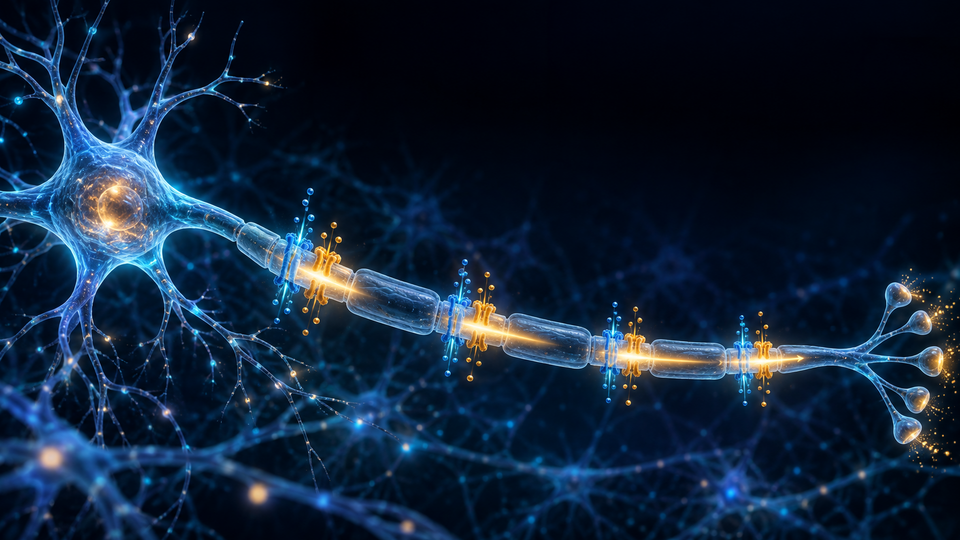 Membrane Potential and Neural Signals
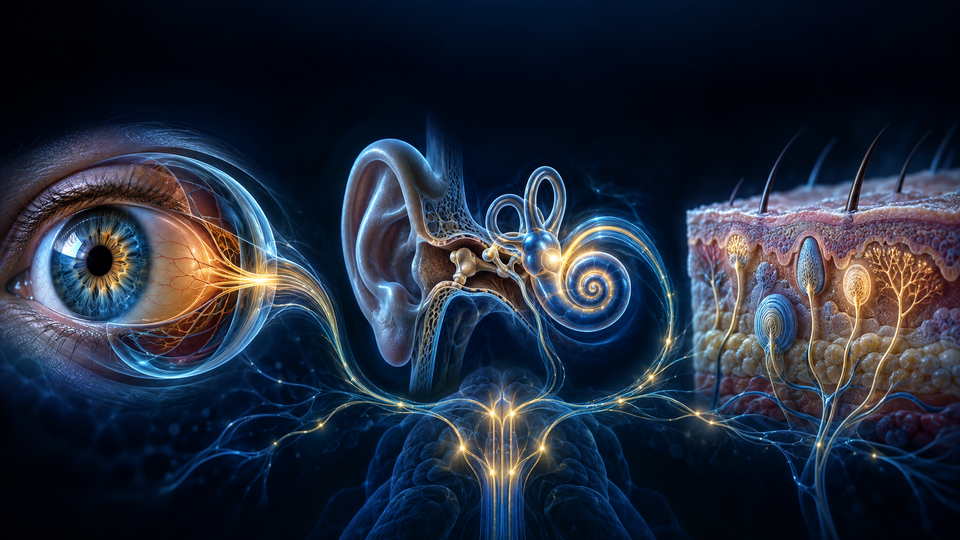 Sensory Physiology
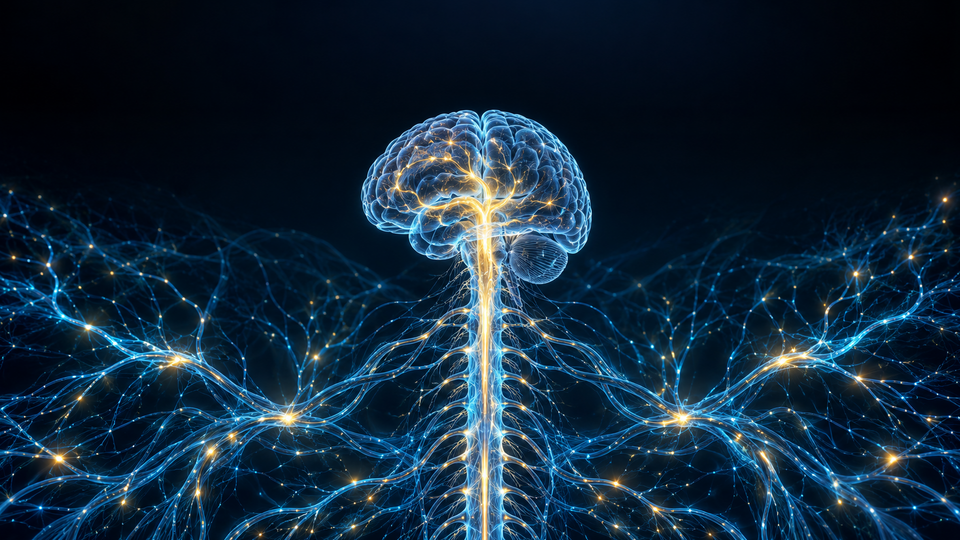 Central Nervous System
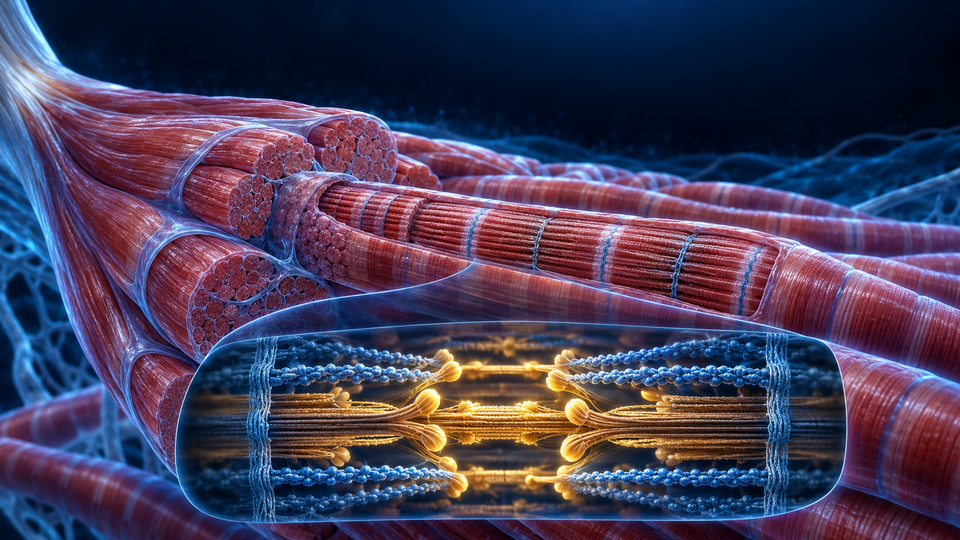 Muscle Physiology
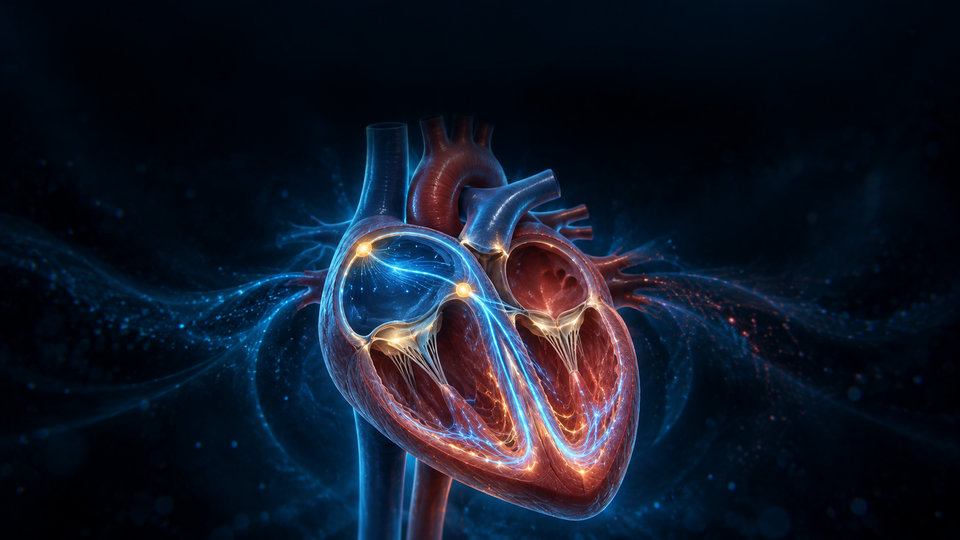 Cardiac Physiology
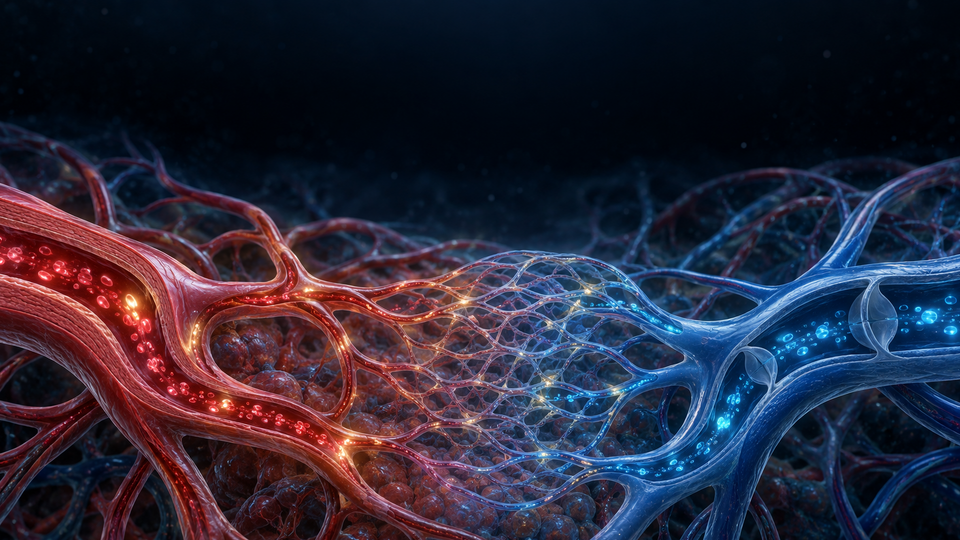 Circulatory Physiology
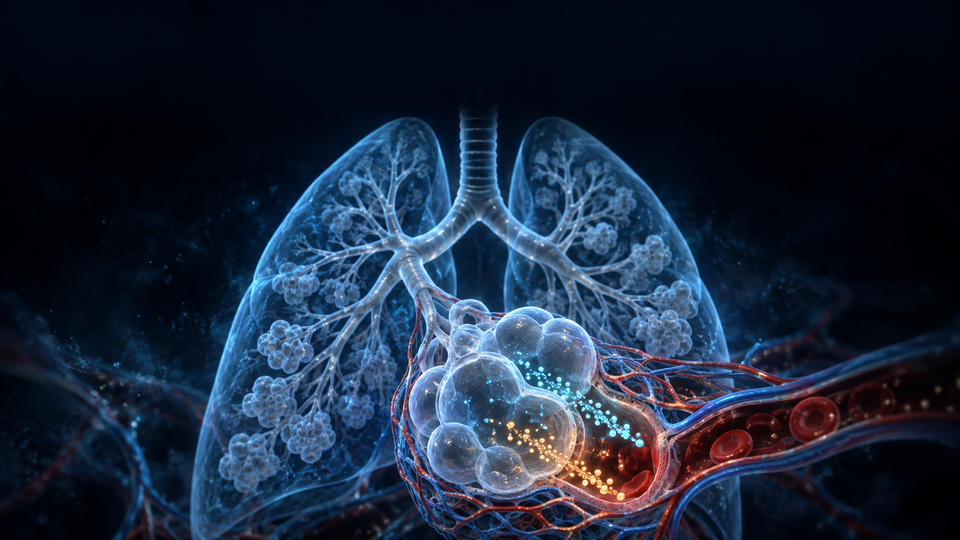 Respiratory Physiology
 Blood Physiology
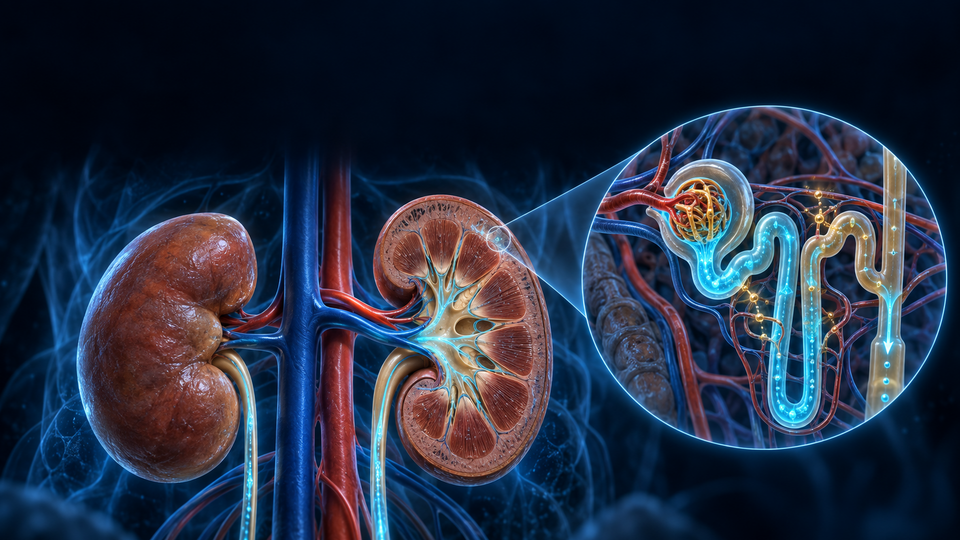 Renal Physiology
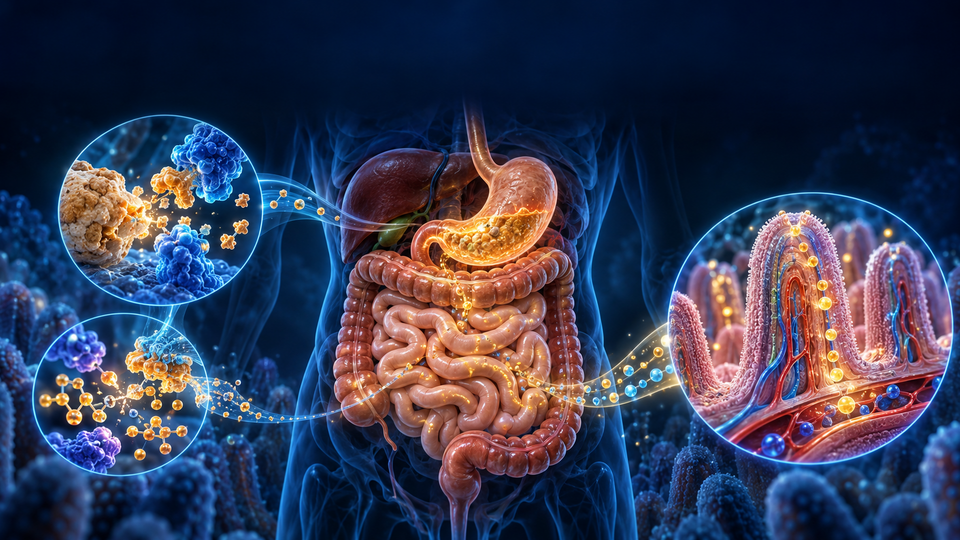 Digestive Physiology
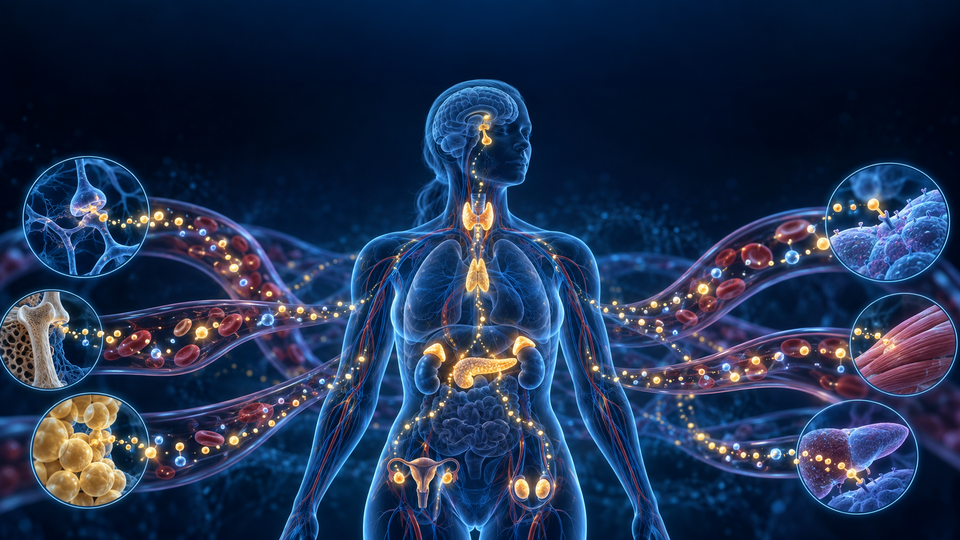 Endocrine Physiology
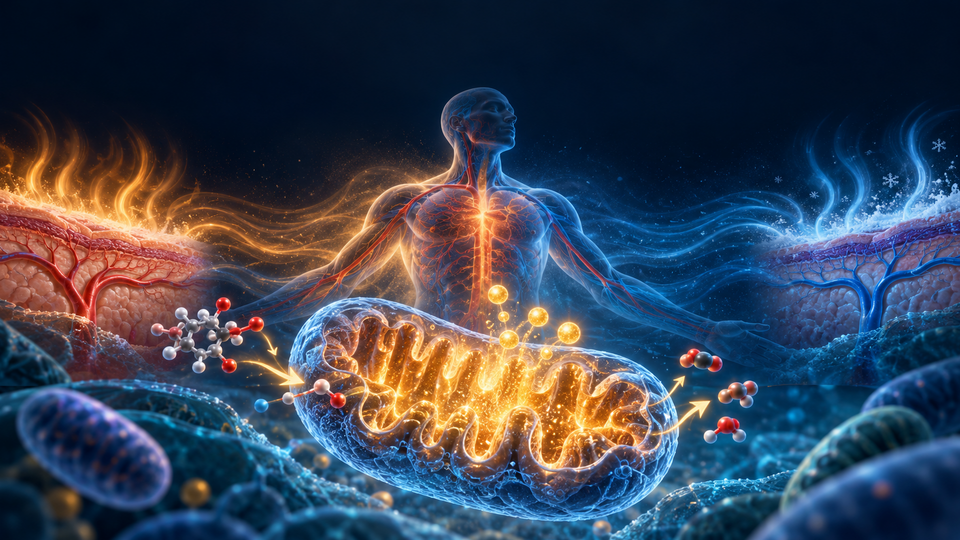 Metabolism and Temperature
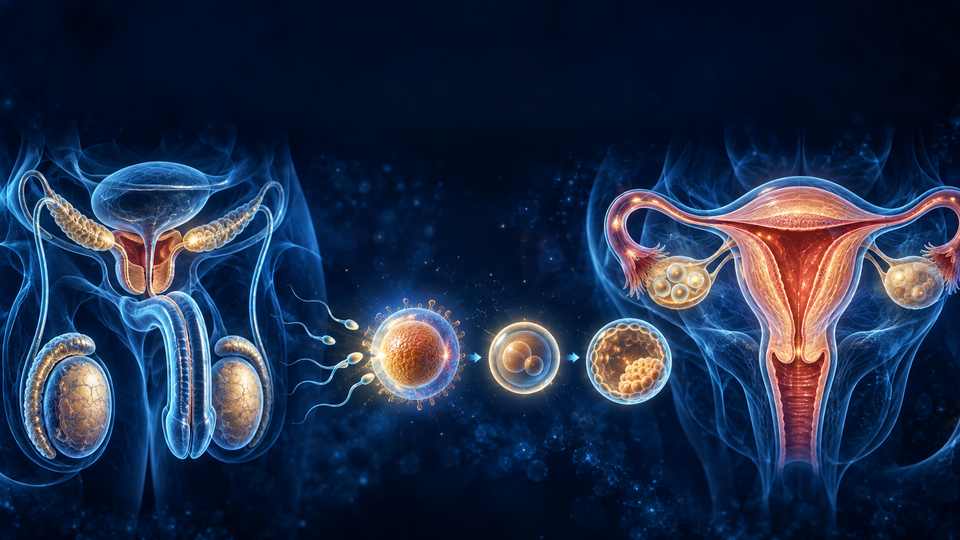 Reproductive Physiology
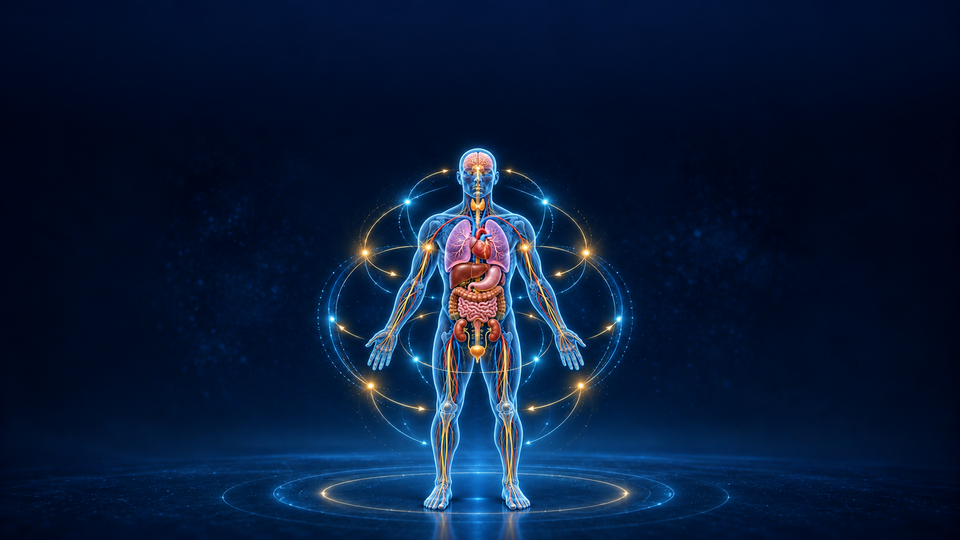 Integrated Physiology and Homeostasis